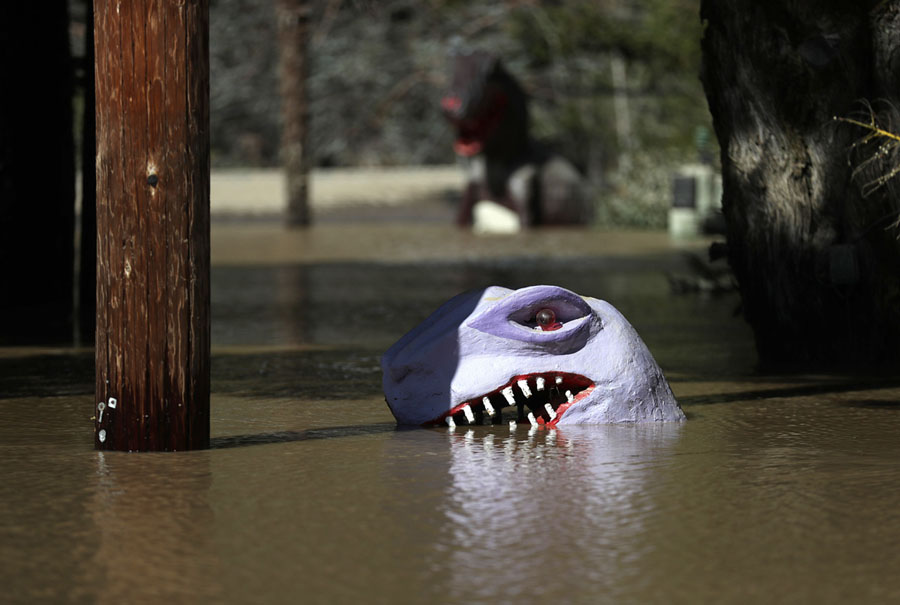
On February 28, 2019, the town of Guerneville, California was flooded by the Russian River. This small town of 4500 people has flooded nearly every two years since 1940. In a week of insane weather phenomena–including a snowstorm in the middle of a United States desert–this barely made news.
In the case of Guerneville, it is normal for the town to flood–but this year the water rose to 45 feet in two days, which is the highest it’s been in over two decades. Unfortunately, as each new headline breaks a previous record, we become desensitized to the severity of the situation and fail to recognize that each weather event is abnormal.
How do we grasp climate change when each new flood is the worst in 20 years, each wildfire the largest in history, and each hurricane of unprecedented strength?
Thankfully, the question of how to prevent more damage come to the forefront of modern political debates. In the meantime, how do we ensure that our efforts to save ourselves don’t cause greater harm?
The obvious way to stop devastating flood damage is to build a dam to prevent a flood. However, this could destroy the ecology of the Russian River, filling the gorge with water and destroying miles of mountainside while further endangering salmon and steel trout populations. Ironically enough, the people of Guerneville have been determined to be too poor of an investment for the government to stop the flooding of their homes. Instead, FEMA is continuing a program where homes are either leveled and rebuilt or elevated to be at least 10 feet off the ground, providing space for floodwaters to pass underneath homes. Even though corporate interest has historically destroyed our environment, in this case it might be helping to save it.

 Let's Get Political with Science